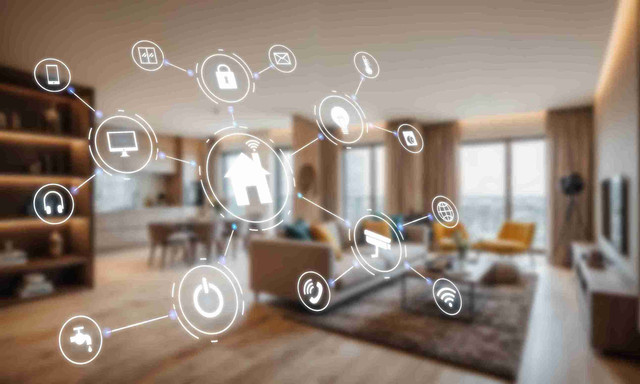
Modern technology has transformed the way people interact with their living spaces. From controlling lights with voice commands to monitoring security cameras remotely, smart homes have become increasingly popular among homeowners seeking convenience, security, and energy efficiency. A well-planned smart home installation can enhance everyday life by automating routine tasks and providing greater control over household systems.
As technology continues to evolve, smart devices are becoming more accessible and user-friendly. Whether you are building a new home or upgrading an existing property, understanding the installation process is essential for achieving the best results. This guide explores everything you need to know about creating a connected home, including key devices, installation steps, benefits, challenges, and future trends.
What Is Smart Home Installation?
A smart home installation involves integrating internet-connected devices and systems that can be controlled remotely through smartphones, tablets, voice assistants, or automation platforms. These devices communicate with each other to create a seamless living experience.

Common smart home components include lighting systems, thermostats, security cameras, smart locks, entertainment systems, and connected appliances. By linking these technologies through a central hub or application, homeowners can automate various tasks and monitor their property from virtually anywhere.
The popularity of smart home installation has grown significantly because it offers greater convenience while improving security and reducing energy consumption. Homeowners can schedule lights to turn on automatically, adjust temperatures remotely, and receive instant notifications about unusual activity.
As more manufacturers enter the market, the range of available devices continues to expand, making it easier than ever to customize a smart home according to individual needs and preferences.
Why Smart Homes Are Becoming Popular
The rise of smart technology is driven by a combination of convenience, efficiency, and innovation. People increasingly rely on connected devices to simplify daily routines and improve quality of life.
One major reason homeowners invest in smart systems is automation. Tasks that once required manual operation can now occur automatically based on schedules, sensors, or user preferences. For example, lights can dim in the evening, thermostats can adjust temperatures throughout the day, and security systems can activate when residents leave home.
Another important factor is remote access. Modern smart home platforms allow users to monitor and control devices from anywhere with an internet connection. This flexibility provides peace of mind and helps homeowners manage their properties more effectively.
The growing affordability of smart devices has also contributed to increased adoption. What was once considered luxury technology is now accessible to a much broader audience, making smart home installation a practical investment for many households.
Essential Components of a Smart Home
Creating a connected home requires selecting devices that work together efficiently. The following components form the foundation of most smart home systems:
Smart Lighting
Smart bulbs and switches allow homeowners to control lighting remotely and create customized schedules. These systems can improve energy efficiency and enhance comfort.
Smart Security Systems
Security devices include cameras, doorbell cameras, motion sensors, alarms, and smart locks. These systems provide real-time monitoring and instant alerts.
Smart Thermostats
Connected thermostats learn household preferences and adjust heating or cooling automatically, helping reduce energy consumption.
Smart Entertainment
Streaming devices, smart TVs, and multi-room audio systems create a more immersive entertainment experience.
Smart Appliances
Modern appliances such as refrigerators, ovens, washing machines, and robotic vacuum cleaners can be managed remotely for added convenience.
Together, these technologies form the backbone of a successful smart home installation, delivering enhanced functionality and improved household management.
Benefits of Smart Home Installation
Homeowners choose smart technology for numerous reasons. The advantages extend beyond convenience and can provide long-term value.
Key Benefits Include:
- Improved home security
- Enhanced energy efficiency
- Greater convenience and automation
- Remote monitoring capabilities
- Increased property value
- Better control over household systems
- Personalized living experiences
These benefits make smart technology attractive to homeowners seeking practical and innovative solutions for modern living.
Smart Home Devices and Their Functions
| Device Type | Primary Function | Key Benefit |
|---|---|---|
| Smart Bulbs | Remote lighting control | Energy savings |
| Smart Thermostat | Temperature management | Reduced utility bills |
| Smart Lock | Keyless entry | Enhanced security |
| Security Camera | Property monitoring | Real-time surveillance |
| Smart Speaker | Voice control hub | Convenience |
| Smart Doorbell | Visitor identification | Improved safety |
| Smart Plug | Device automation | Flexible control |
Choosing the right combination of devices depends on household needs, budget, and desired level of automation.
Planning a Smart Home Installation
Proper planning is crucial for achieving a reliable and efficient connected home. Before purchasing devices, homeowners should evaluate their goals and priorities.
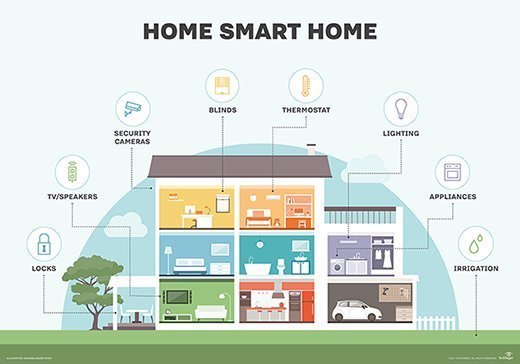
Start by identifying the areas of the home that would benefit most from automation. Security, lighting, and climate control are often good starting points. Consider how different devices will interact and whether they are compatible with your chosen smart home platform.
Internet connectivity is another critical factor. A strong and stable Wi-Fi network forms the foundation of most smart systems. Homes with weak wireless coverage may require mesh networking solutions to ensure reliable performance.
Budget planning is equally important. While basic smart home systems can be relatively affordable, more advanced installations involving multiple devices and professional integration may require a larger investment. Careful planning helps avoid unnecessary expenses while ensuring long-term satisfaction with the system.
DIY vs Professional Installation
When considering smart home installation, homeowners often choose between a do-it-yourself approach and professional assistance.
DIY Installation Advantages
Many smart devices are designed for easy setup. Users can often install smart bulbs, speakers, and plugs without specialized skills. DIY installation typically reduces costs and provides flexibility.
Professional Installation Advantages
Professional installers offer expertise in system design, wiring, and device integration. They can create a more cohesive ecosystem and troubleshoot technical issues effectively.
Professional services are particularly valuable for complex projects involving security systems, smart wiring, automated shades, or whole-home automation platforms.
The best option depends on the complexity of the project, technical knowledge, and budget considerations.
Common Challenges During Installation
While smart technology offers many benefits, homeowners may encounter challenges during setup and operation.
Compatibility issues are among the most common problems. Devices from different manufacturers may not always work together seamlessly. Researching compatibility before purchasing equipment helps prevent frustration.
Network limitations can also impact performance. Smart homes rely heavily on internet connectivity, and weak signals may lead to delays or connectivity issues.
Security concerns represent another challenge. Connected devices can become vulnerable to cyber threats if proper security measures are not implemented. Strong passwords, software updates, and secure networks are essential for protecting smart home systems.
Understanding these challenges allows homeowners to prepare effectively and create a more reliable smart home environment.
How Smart Home Installation Improves Security
Security remains one of the strongest motivations for adopting smart technology. Modern security devices provide features that traditional systems often lack.
Smart cameras offer live video feeds and motion detection capabilities. Homeowners can receive instant notifications whenever unusual activity occurs. Smart doorbells allow users to see and communicate with visitors remotely, even when they are away from home.
Smart locks eliminate the need for physical keys and enable remote access management. Temporary access codes can be provided to guests, service providers, or family members.
A well-designed smart home installation integrates these devices into a unified security network, creating multiple layers of protection that enhance peace of mind and property safety.
Energy Efficiency and Cost Savings
Energy management is another significant advantage of smart home technology. Connected devices help reduce waste and optimize resource usage.
Smart thermostats automatically adjust temperatures based on occupancy patterns, helping lower heating and cooling expenses. Smart lighting systems turn lights off when rooms are unoccupied, reducing electricity consumption.
Energy-monitoring devices provide insights into usage patterns, enabling homeowners to identify opportunities for improvement. Over time, these efficiencies can result in noticeable cost savings while supporting environmentally responsible living.
As utility costs continue to rise, smart technology offers practical solutions for managing household energy consumption more effectively.
Future Trends in Smart Home Technology
The future of smart homes is driven by advances in artificial intelligence, machine learning, and interconnected ecosystems. Devices are becoming more intelligent and capable of learning user behaviors automatically.
Voice assistants continue to improve, enabling more natural interactions with connected systems. Artificial intelligence can anticipate user needs, adjusting settings proactively rather than waiting for commands.
Emerging technologies such as predictive maintenance, advanced energy management, and enhanced security analytics will further expand the capabilities of smart homes.
As innovation accelerates, smart home installation will likely become an increasingly standard feature in residential construction and renovation projects worldwide.
Tips for a Successful Smart Home Installation
Best Practices for Homeowners
- Start with a clear automation strategy.
- Choose compatible devices and platforms.
- Invest in reliable internet connectivity.
- Prioritize security and privacy settings.
- Keep device software updated regularly.
- Expand gradually rather than installing everything at once.
- Consider future scalability when selecting equipment.
Following these recommendations helps ensure a smoother installation process and a more satisfying smart home experience.
Conclusion
Smart technology has transformed modern living by making homes more convenient, efficient, and secure. A successful smart home installation begins with careful planning, compatible devices, and a reliable network infrastructure. Whether focusing on security, energy savings, entertainment, or automation, smart systems offer significant benefits that improve daily life.
Read more: Smart Home Manager: The Ultimate Guide to Smarter Living