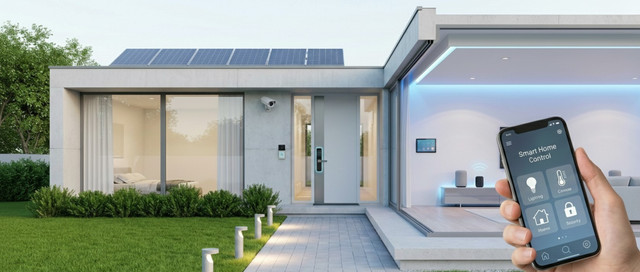
The demand for smart home technology has grown rapidly as homeowners seek greater convenience, security, energy efficiency, and control over their living spaces. Searching for smart home installation near me has become increasingly common among people who want to transform traditional homes into intelligent, connected environments. From smart lighting and thermostats to advanced security systems and voice-controlled devices, modern home automation solutions offer endless possibilities.
A professionally installed smart home system can simplify daily routines while improving comfort and property value. Whether you are building a new house, renovating an existing property, or simply upgrading a few devices, understanding the installation process is essential. Professional installers can integrate multiple technologies into one seamless ecosystem, ensuring all devices communicate effectively and operate reliably.
This guide explores everything you need to know about smart home installation, including popular technologies, benefits, installation procedures, costs, and tips for selecting the right service provider. By the end, you will have a comprehensive understanding of how smart home systems work and why they continue to reshape modern living.
What Is Smart Home Installation?
Smart home installation refers to the process of setting up connected devices and automation systems that can be controlled remotely or programmed to operate automatically. These systems rely on internet connectivity, wireless communication protocols, and centralized control platforms.
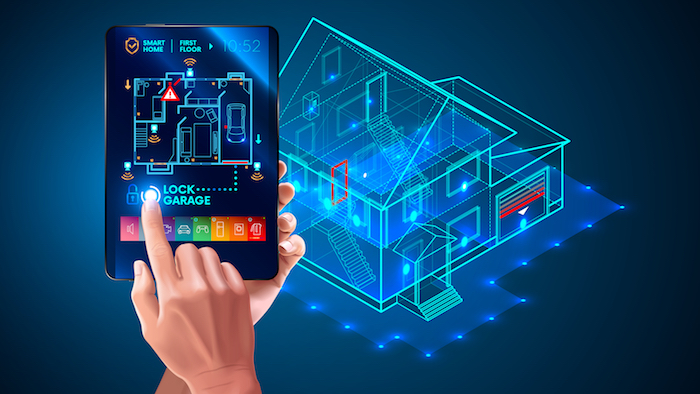
A smart home may include lighting controls, security cameras, smart locks, thermostats, entertainment systems, appliances, and sensors. Professional installation ensures these devices are correctly configured and integrated into a unified network.
When homeowners search for smart home installation near me, they are often looking for experts who can assess their property, recommend suitable devices, install equipment, and provide ongoing support. Professional installers help eliminate compatibility issues and ensure systems function efficiently from day one.
The ultimate goal is to create a connected environment where devices work together to improve convenience, security, and energy management while minimizing manual effort.
Why Smart Homes Are Becoming More Popular
The popularity of smart homes continues to rise because homeowners value convenience and automation. Modern technology allows users to control numerous household functions through smartphones, tablets, or voice assistants.
Smart homes provide enhanced security through surveillance cameras, motion sensors, and smart locks. Homeowners can monitor activity remotely and receive real-time alerts about unusual events. This level of awareness offers peace of mind whether occupants are at home or away.
Energy efficiency is another major factor driving adoption. Smart thermostats, lighting systems, and automated appliances optimize energy usage and reduce utility bills. Automation schedules ensure devices operate only when necessary.
Additional benefits include improved comfort, accessibility for elderly residents, and increased property value. Buyers increasingly seek homes equipped with advanced technology, making smart home features attractive investments.
As technology becomes more affordable and user-friendly, smart home adoption is expected to continue growing across residential properties worldwide.
Key Components of a Smart Home System
A comprehensive smart home system typically includes multiple connected devices working together through a central platform. Understanding these components helps homeowners make informed decisions during installation.
Smart Lighting
Smart lighting systems allow users to control brightness, color, and scheduling through mobile apps or voice commands. Automated lighting can improve energy efficiency and create customized environments.
Smart Thermostats
These devices learn user preferences and automatically adjust temperatures to maintain comfort while reducing energy consumption. Many systems provide detailed energy reports and remote access features.
Smart Security Systems
Security solutions include cameras, motion detectors, alarms, video doorbells, and smart locks. These devices enhance protection and provide remote monitoring capabilities.
Smart Entertainment Systems
Home theaters, multi-room audio systems, and streaming devices can be integrated into a centralized control system for seamless entertainment experiences.
Smart Appliances
Connected refrigerators, washing machines, ovens, and other appliances offer advanced control features and monitoring capabilities.
Together, these components create a highly efficient and interconnected living environment.
Benefits of Professional Smart Home Installation
While some devices can be installed independently, professional installation offers several advantages. Experts understand networking requirements, device compatibility, and automation programming.
When searching for smart home installation near me, homeowners often seek specialists who can design customized solutions tailored to their specific needs. Professionals evaluate the property’s layout, internet infrastructure, and lifestyle requirements before recommending equipment.
Key benefits include:
- Proper device configuration
- Reliable network integration
- Enhanced cybersecurity measures
- Customized automation settings
- Reduced troubleshooting issues
- Ongoing maintenance support
- Future expansion capabilities
Professional installation also ensures that all devices operate within a unified ecosystem rather than functioning as isolated components. This integration maximizes convenience and system performance.
Additionally, professional installers can identify potential challenges before they become costly problems, saving homeowners time and frustration.
Smart Home Installation Process
Understanding the installation process helps homeowners prepare for their automation project and set realistic expectations.
| Installation Stage | Description |
|---|---|
| Consultation | Assessment of home and automation goals |
| Planning | Device selection and system design |
| Network Setup | Wi-Fi and connectivity optimization |
| Device Installation | Physical installation of equipment |
| Integration | Connecting devices into one system |
| Testing | Verification of functionality |
| Training | User education and system demonstration |
| Support | Ongoing maintenance and updates |
Each stage plays a crucial role in ensuring a successful smart home deployment. Proper planning and testing help avoid performance issues and maximize long-term reliability.
Professional installers often provide documentation and support resources to help homeowners manage their systems effectively after installation.
How Much Does Smart Home Installation Cost?
The cost of smart home installation varies significantly depending on the size of the property, number of devices, and complexity of the automation system. Basic setups involving smart lights, thermostats, and voice assistants may require a relatively modest investment.
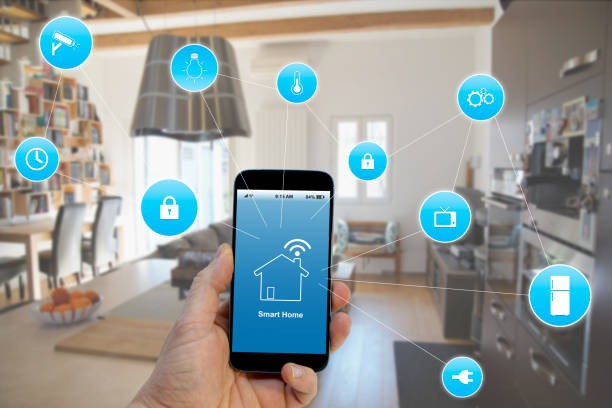
More advanced installations featuring whole-home automation, integrated security systems, motorized shades, and multi-room entertainment solutions can cost substantially more. Labor expenses also vary based on the installer’s expertise and local market conditions.
When researching smart home installation near me, homeowners should request detailed quotes that outline equipment costs, installation fees, and ongoing service expenses. Transparent pricing helps prevent unexpected charges and allows for accurate budgeting.
Although initial costs may seem significant, many homeowners view smart technology as a long-term investment that delivers energy savings, convenience, and enhanced property value over time.
Choosing quality equipment and experienced professionals often leads to better results and fewer maintenance issues in the future.
Choosing the Right Smart Home Installer
Selecting the right installer is one of the most important decisions in any automation project. A qualified professional can significantly influence system performance and customer satisfaction.
Homeowners should evaluate several factors before hiring an installer:
- Industry experience
- Certifications and training
- Customer reviews
- Product expertise
- Warranty coverage
- Technical support availability
- Customization capabilities
Searching for smart home installation near me typically reveals multiple service providers. Comparing credentials and consultation offerings can help narrow the options.
A reputable installer should conduct a thorough assessment of your property and provide recommendations based on your goals rather than promoting unnecessary upgrades. Clear communication and transparency are also essential indicators of a trustworthy provider.
Investing time in selecting the right professional often leads to a smoother installation experience and better long-term outcomes.
Future Trends in Smart Home Technology
The smart home industry continues to evolve rapidly. Artificial intelligence, machine learning, and advanced automation are making systems more intuitive and responsive.
Future smart homes will likely feature enhanced predictive capabilities, allowing systems to anticipate homeowner preferences and automatically adjust settings. Voice assistants will become more conversational and capable of managing increasingly complex tasks.
Improved interoperability standards will also simplify device integration, reducing compatibility concerns. Energy management technologies will play a larger role as sustainability becomes a growing priority.
Healthcare-focused smart home features may become more common, supporting aging populations through monitoring systems and emergency response capabilities. Advanced sensors could detect health issues and environmental hazards before they become serious concerns.
As innovation accelerates, homeowners can expect smarter, more efficient, and more personalized living environments than ever before.
Conclusion
The growing interest in smart home installation near me reflects a broader shift toward connected living and intelligent automation. Smart home systems offer numerous benefits, including improved convenience, enhanced security, energy efficiency, and increased property value. Whether installing a few connected devices or implementing a fully integrated automation solution, careful planning and professional expertise are essential for success.