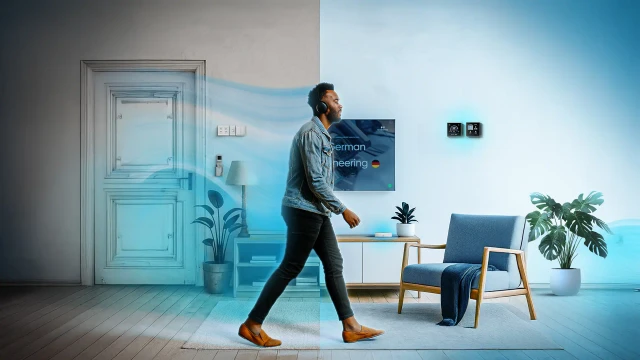
The modern home is evolving rapidly, driven by advancements in technology and the growing demand for convenience, efficiency, and security. At the center of this transformation is the smart home manager, a system or platform designed to connect, control, and automate various smart devices within a household. From managing lighting and temperature to enhancing security and reducing energy consumption, a smart home manager serves as the brain of a connected home.
As smart devices become more common, homeowners often face the challenge of coordinating multiple gadgets from different manufacturers. A smart home manager solves this issue by creating a centralized platform that allows seamless communication between devices. Whether you are a technology enthusiast or someone seeking a more comfortable lifestyle, understanding the role and benefits of a smart home manager can help you make informed decisions about upgrading your living space.
This comprehensive guide explores the features, benefits, challenges, and future trends associated with smart home management systems.
What Is a Smart Home Manager?
A smart home manager is a centralized system that integrates and controls smart devices throughout a home. These devices may include smart lights, thermostats, security cameras, locks, entertainment systems, appliances, and more. The primary goal is to create a unified ecosystem where devices work together efficiently.
Instead of using separate applications for each device, homeowners can manage everything through a single interface. This can be a smartphone app, tablet, voice assistant, or dedicated control panel. The system enables users to automate routines, monitor activities, and adjust settings remotely.
For example, a homeowner can schedule lights to turn on at sunset, lock doors automatically at bedtime, and adjust the thermostat based on occupancy patterns. These automated actions improve convenience while reducing manual effort.
The popularity of smart homes continues to grow because people value the ability to control their environment effortlessly. A smart home manager simplifies complex operations and creates a more responsive living experience tailored to individual needs.
Why Smart Home Management Is Becoming Essential
The increasing number of connected devices has made home automation more accessible than ever. However, managing numerous gadgets individually can become overwhelming. This is where a smart home manager proves invaluable.
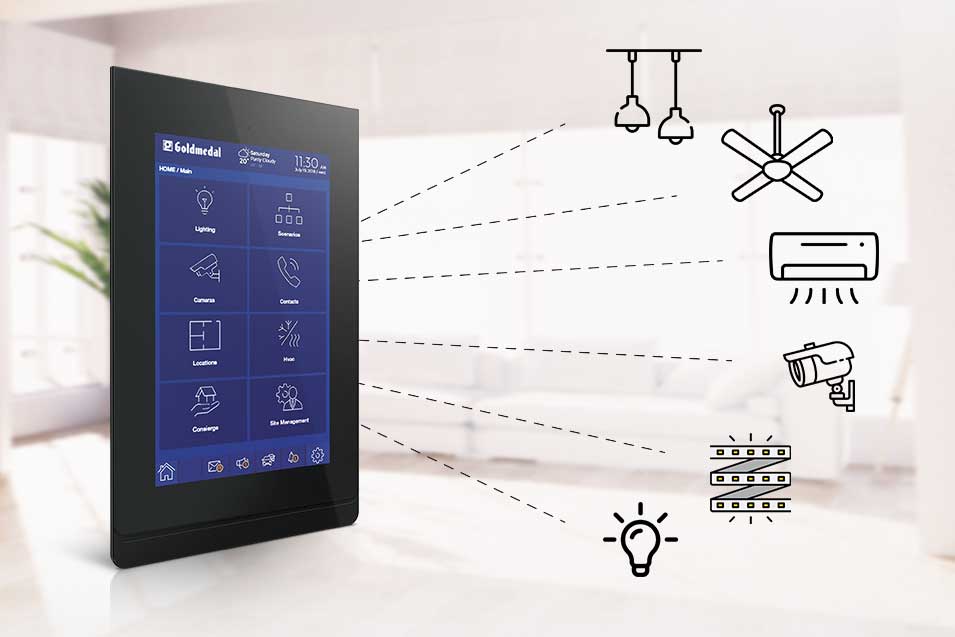
Modern households prioritize convenience and efficiency. People want systems that save time and reduce repetitive tasks. Smart home management provides these advantages by allowing automation of daily routines. Users can create customized settings that adapt to their schedules and preferences.
Another key factor is energy conservation. Smart technology helps homeowners monitor and optimize energy usage, leading to lower utility bills. Security is also a major driver, as connected cameras, sensors, and alarms provide real-time monitoring and alerts.
The rise of remote work has further increased interest in smart home solutions. People spend more time at home and seek environments that are comfortable, secure, and efficient. Smart home managers support these goals by providing intelligent control over multiple systems simultaneously.
Key Features of a Smart Home Manager
Centralized Device Control
One of the most important features is centralized management. Instead of switching between multiple applications, users can access all connected devices from a single dashboard. This streamlined approach simplifies operation and improves user experience.
Automation and Scheduling
Automation allows devices to perform actions based on predefined conditions. Homeowners can schedule routines for lighting, heating, cooling, and security systems. For example, lights can turn off automatically when everyone leaves the house.
Remote Access
Most smart home management platforms offer remote control through mobile applications. This feature allows homeowners to monitor and manage their homes from virtually anywhere with an internet connection.
Voice Assistant Integration
Many systems integrate with voice-controlled technologies. Users can issue commands such as turning on lights, adjusting temperatures, or checking security camera feeds without touching a device.
Real-Time Notifications
Alerts and notifications provide instant updates regarding security breaches, device malfunctions, or unusual activity. This feature enhances awareness and enables quick responses to potential issues.
Benefits of Using a Smart Home Manager
The advantages of adopting a smart home management system extend beyond convenience. Homeowners can experience significant improvements in multiple aspects of daily life.
Enhanced Convenience
Managing household systems from a single platform reduces complexity. Automation handles repetitive tasks, allowing users to focus on more important activities.
Improved Energy Efficiency
Smart systems analyze usage patterns and optimize resource consumption. Thermostats, lighting systems, and appliances can adjust automatically to minimize waste.
Better Security
Security features include surveillance cameras, motion sensors, smart locks, and alarm systems. These components work together to provide comprehensive protection.
Increased Comfort
Personalized settings ensure that indoor environments remain comfortable throughout the day. Temperature, lighting, and entertainment preferences can be adjusted automatically.
Property Value Enhancement
Homes equipped with advanced smart technology often attract buyers seeking modern conveniences. This can contribute to increased market value.
Smart Home Devices Commonly Managed
| Device Category | Purpose | Benefits |
|---|---|---|
| Smart Lighting | Automated lighting control | Energy savings and convenience |
| Smart Thermostats | Temperature management | Reduced utility costs |
| Security Cameras | Surveillance and monitoring | Enhanced home protection |
| Smart Locks | Keyless entry systems | Improved access control |
| Smart Speakers | Voice command functionality | Hands-free operation |
| Smart Appliances | Automated household tasks | Increased efficiency |
| Motion Sensors | Activity detection | Better security and automation |
| Smart Plugs | Device control and scheduling | Energy management |
The integration of these devices through a smart home manager creates a cohesive ecosystem that improves everyday living.
How a Smart Home Manager Improves Security
Security remains one of the most compelling reasons for adopting smart home technology. A smart home manager allows homeowners to monitor and control security systems from anywhere.
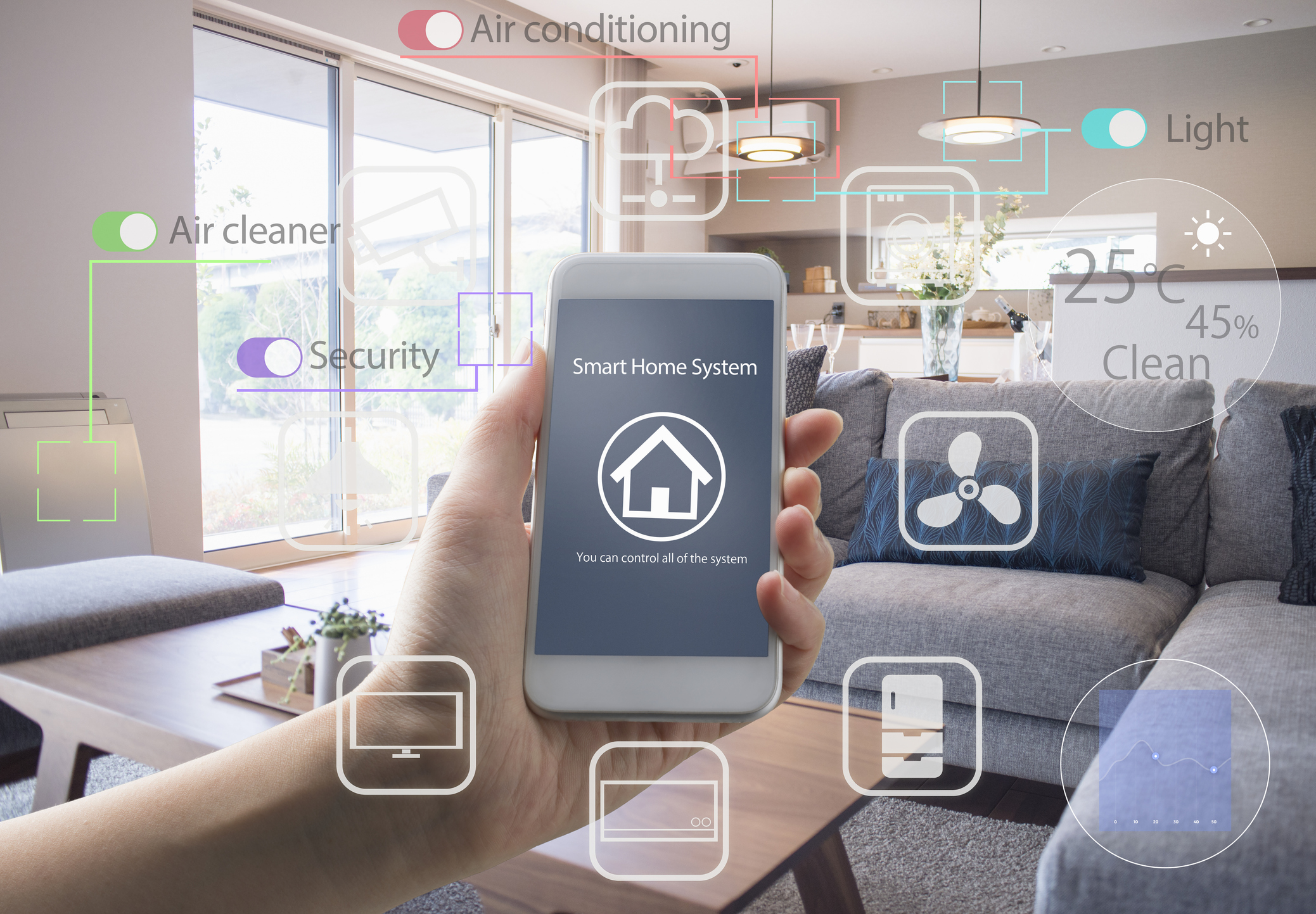
Modern security features include video doorbells, smart locks, surveillance cameras, motion detectors, and alarm systems. These devices communicate with each other to provide comprehensive protection. For example, when a motion sensor detects unusual activity, cameras can begin recording automatically while sending alerts to the homeowner.
Remote monitoring offers peace of mind for travelers and busy professionals. Users can view live camera feeds, verify visitor identities, and control door locks using mobile applications. Real-time notifications ensure immediate awareness of suspicious events.
Advanced automation can also simulate occupancy when residents are away. Lights, televisions, and other devices can operate on schedules that make a home appear occupied, deterring potential intruders.
As security threats evolve, smart home management systems continue to incorporate advanced features that improve safety and responsiveness.
Energy Management and Sustainability
Reducing energy consumption has become a priority for many households. Smart home technology supports sustainability efforts while lowering utility expenses.
A smart home manager monitors energy usage and identifies opportunities for optimization. Smart thermostats learn occupancy patterns and adjust heating or cooling accordingly. Lighting systems can turn off automatically when rooms are unoccupied.
Benefits of energy-focused automation include:
- Lower electricity bills
- Reduced environmental impact
- Improved appliance efficiency
- Better resource management
- Enhanced sustainability practices
Many systems provide detailed energy reports, helping homeowners understand consumption trends and make informed decisions. Over time, these adjustments can result in substantial cost savings while contributing to environmental conservation.
Challenges of Smart Home Management
Despite numerous advantages, smart home systems are not without challenges. Understanding these issues helps homeowners prepare for successful implementation.
Compatibility Concerns
Not all devices communicate using the same protocols. Ensuring compatibility between products can sometimes be difficult.
Cybersecurity Risks
Connected devices may be vulnerable to cyber threats if not properly secured. Strong passwords, software updates, and network protection are essential.
Initial Investment Costs
Building a fully connected smart home often requires significant upfront spending. However, long-term savings may offset these expenses.
Internet Dependence
Many smart systems rely on stable internet connections. Connectivity issues can affect functionality and responsiveness.
Learning Curve
Some users may require time to understand and configure advanced features. Proper setup and education are important for maximizing benefits.
Choosing the Right Smart Home Manager
Selecting the ideal system depends on household requirements, budget, and future expansion plans. Homeowners should evaluate several factors before making a decision.
Device Compatibility
Choose a platform that supports a wide range of devices and communication standards.
Ease of Use
The interface should be intuitive and user-friendly. Simple navigation improves the overall experience.
Security Features
Prioritize systems with strong encryption, authentication methods, and regular software updates.
Scalability
A good platform should accommodate additional devices as needs evolve over time.
Customer Support
Reliable support services can help resolve technical issues quickly and efficiently.
Careful consideration of these factors ensures a smoother transition into smart home living and helps maximize long-term satisfaction.
Future Trends in Smart Home Management
The future of smart home technology looks promising. Artificial intelligence and machine learning are expected to make systems more adaptive and personalized. Future smart home managers may anticipate user needs before commands are issued.
Emerging technologies include predictive automation, advanced voice recognition, and improved interoperability between devices. Energy management systems will become more sophisticated, helping homeowners achieve greater efficiency.
The integration of renewable energy sources, electric vehicles, and smart grids will further expand the capabilities of connected homes. Enhanced cybersecurity measures will also play a critical role in protecting increasingly complex ecosystems.
As innovation continues, smart home management solutions will become more accessible, affordable, and powerful for households worldwide.
Conclusion
The smart home manager has become an essential component of modern connected living. By integrating and automating various devices, it simplifies household management while enhancing convenience, security, comfort, and energy efficiency. From centralized control and remote access to intelligent automation and real-time monitoring, the benefits are substantial for homeowners seeking a smarter lifestyle.
Read more: Best Smart Home Hubs: The Ultimate Guide to Building a Smarter Home