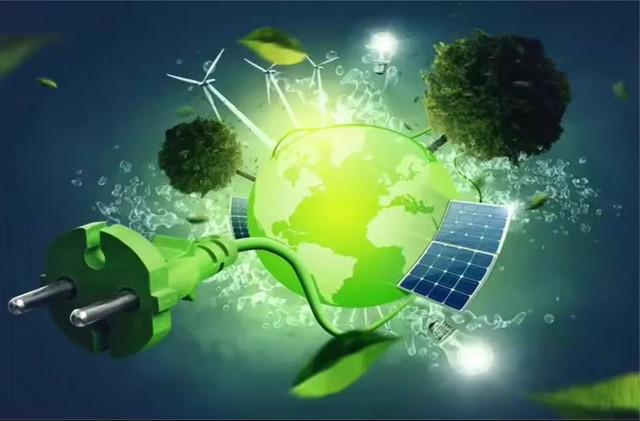
As environmental concerns continue to grow worldwide, businesses, governments, and individuals are seeking innovative ways to reduce their ecological impact. One of the most effective solutions emerging in recent decades is green technology. This concept refers to the development and application of products, systems, and processes that conserve natural resources, minimize pollution, and support sustainable growth.
The importance of green technology has increased significantly due to climate change, rising energy demands, and the depletion of natural resources. From renewable energy systems and electric vehicles to smart buildings and waste management solutions, green technology is transforming how societies function. It not only helps protect the environment but also creates economic opportunities and improves quality of life.
Today, industries across the globe are investing heavily in sustainable innovations. As consumers become more environmentally conscious, organizations are adapting their operations to meet changing expectations. Understanding the role and benefits of green technology is essential for anyone interested in sustainability, innovation, and the future of our planet.
What Is Green Technology?
Green technology refers to environmentally friendly innovations designed to reduce negative impacts on the earth. It focuses on creating products and systems that use resources efficiently while minimizing waste and pollution. The goal is to achieve economic growth without compromising environmental health.
Unlike traditional technologies that often rely on fossil fuels and generate significant waste, green solutions emphasize renewable resources, energy efficiency, and sustainable practices. These technologies are applied across various sectors, including transportation, agriculture, manufacturing, construction, and energy production.
The concept extends beyond simply reducing emissions. It includes designing products that can be recycled, developing cleaner production methods, and promoting responsible resource management. As technology advances, new opportunities continue to emerge for making industries more sustainable.
The growing popularity of green technology demonstrates how innovation can address environmental challenges while supporting economic development and social well-being.
The Evolution of Green Technology
Environmental awareness has existed for decades, but major technological advancements have accelerated the growth of sustainable solutions. Early environmental efforts focused primarily on pollution control and waste reduction. Over time, researchers and engineers began developing technologies that proactively prevented environmental damage.
The rise of renewable energy marked a significant turning point. Solar panels, wind turbines, and hydroelectric systems became more affordable and efficient, making clean energy accessible to a broader audience. Governments also introduced regulations and incentives encouraging businesses to adopt sustainable practices.
Digital transformation further enhanced environmental initiatives. Smart sensors, artificial intelligence, and data analytics now optimize energy consumption and resource management. These innovations allow organizations to monitor environmental performance in real time and make informed decisions.
Today, green technology continues evolving rapidly, driven by scientific research, consumer demand, and global sustainability goals.
Key Areas of Green Technology
Renewable Energy
Renewable energy remains one of the most important components of sustainable development. Solar, wind, geothermal, and hydroelectric power generate electricity without producing harmful greenhouse gas emissions.
These energy sources help reduce dependence on fossil fuels while providing long-term environmental and economic benefits. Technological advancements have improved efficiency and lowered costs, making renewable energy more competitive than ever before.
Sustainable Transportation
Transportation contributes significantly to global emissions. Electric vehicles, hybrid cars, and alternative fuel systems are helping reduce pollution and fuel consumption.
Innovations in battery technology have extended vehicle range and improved performance. Public transportation systems are also incorporating clean energy solutions to minimize environmental impact.
Green Construction
Modern buildings increasingly incorporate sustainable materials, energy-efficient designs, and smart technologies. Green construction focuses on reducing resource consumption throughout a building’s lifecycle.
Features such as solar panels, efficient insulation, rainwater harvesting systems, and smart lighting contribute to lower energy use and reduced environmental impact.
Waste Management
Advanced recycling systems, composting technologies, and waste-to-energy facilities help manage growing waste challenges. These solutions reduce landfill use while recovering valuable resources.
Efficient waste management supports circular economy principles by keeping materials in use for as long as possible.
Benefits of Green Technology
The widespread adoption of green technology offers numerous advantages across environmental, economic, and social dimensions.
Some major benefits include:
- Reduced greenhouse gas emissions
- Improved air and water quality
- Enhanced energy efficiency
- Lower operating costs
- Conservation of natural resources
- Increased innovation opportunities
- Better public health outcomes
- Sustainable economic growth
These benefits demonstrate why governments and businesses are increasingly prioritizing environmentally responsible technologies.
Applications of Green Technology Across Industries
Different industries are utilizing sustainable innovations to improve efficiency and reduce environmental impact. The following table highlights key applications.
| Industry | Green Technology Application | Primary Benefit |
|---|---|---|
| Energy | Solar and wind power systems | Reduced emissions |
| Transportation | Electric vehicles | Lower fuel consumption |
| Agriculture | Precision farming | Resource efficiency |
| Construction | Green building materials | Energy savings |
| Manufacturing | Cleaner production methods | Reduced waste |
| Waste Management | Recycling technologies | Resource recovery |
| Water Treatment | Advanced filtration systems | Cleaner water |
| Information Technology | Energy-efficient data centers | Lower energy use |
These applications illustrate how sustainability initiatives are transforming various sectors worldwide.
Green Technology and Climate Change
Climate change remains one of the greatest challenges facing humanity. Rising temperatures, extreme weather events, and ecosystem disruptions highlight the need for immediate action. Green technology plays a critical role in addressing these concerns.
Renewable energy technologies reduce carbon emissions by replacing fossil fuel-based electricity generation. Energy-efficient systems lower overall energy demand, while sustainable transportation reduces pollution from vehicles.

Additionally, smart environmental monitoring systems help researchers track climate patterns and identify areas requiring intervention. Carbon capture technologies are also being developed to remove greenhouse gases from the atmosphere.
By promoting cleaner production methods and sustainable consumption, green technology supports global efforts to slow climate change and protect future generations.
The Economic Impact of Green Technology
Many people assume sustainability initiatives are costly, but green technology often generates significant economic benefits. Businesses adopting energy-efficient systems frequently experience lower operating expenses and improved productivity.
The renewable energy sector has created millions of jobs worldwide. Engineers, technicians, researchers, and project managers contribute to the growing green economy. Investment in sustainable infrastructure stimulates innovation and attracts capital.
Consumers also benefit from reduced utility costs and improved product efficiency. As technologies mature, economies of scale continue driving prices downward, making sustainable solutions more affordable.
Governments increasingly recognize these advantages and provide incentives to encourage adoption. The economic opportunities associated with green technology make it a powerful driver of long-term growth.
Challenges Facing Green Technology Adoption
Despite its many benefits, several obstacles continue to affect the widespread implementation of sustainable innovations.
High Initial Costs
Many environmentally friendly technologies require substantial upfront investments. Although long-term savings often offset these costs, initial expenses can discourage adoption.
Infrastructure Limitations
Some regions lack the infrastructure needed to support renewable energy systems, electric vehicles, and advanced waste management facilities.
Technology Integration
Organizations may face difficulties integrating new systems into existing operations. Training and process adjustments are often necessary.
Policy and Regulatory Issues
Inconsistent regulations and policy uncertainty can impact investment decisions and slow technological development.
Addressing these challenges requires collaboration among governments, businesses, researchers, and consumers.
Future Trends in Green Technology
The future of green technology appears promising as innovation continues accelerating across multiple sectors. Artificial intelligence and machine learning are expected to optimize energy management and environmental monitoring systems.
Advancements in battery storage will improve renewable energy reliability and support broader electric vehicle adoption. Hydrogen fuel technology is gaining attention as a potential clean energy solution for transportation and industrial applications.
Smart cities will increasingly integrate connected infrastructure to improve efficiency and reduce resource consumption. Circular economy models will encourage product reuse, recycling, and sustainable manufacturing practices.
Emerging technologies such as carbon capture, biodegradable materials, and advanced water purification systems may further enhance sustainability efforts. These developments suggest that environmental innovation will remain a major focus for decades to come.
How Individuals Can Support Green Technology
Consumers play a vital role in promoting sustainability. Everyday choices influence market demand and encourage organizations to invest in environmentally responsible solutions.
Individuals can support green initiatives by:
- Using energy-efficient appliances
- Choosing renewable energy providers when available
- Driving electric or hybrid vehicles
- Reducing waste through recycling
- Conserving water and electricity
- Supporting environmentally responsible businesses
- Using public transportation when possible
Small actions collectively create significant positive environmental impacts and contribute to broader sustainability goals.
Conclusion
The growing importance of green technology reflects society’s commitment to creating a more sustainable future. By reducing pollution, conserving resources, and promoting renewable energy, these innovations provide practical solutions to many environmental challenges facing the world today.
Read more: What Is a Smart Home? A Complete Guide to Modern Living