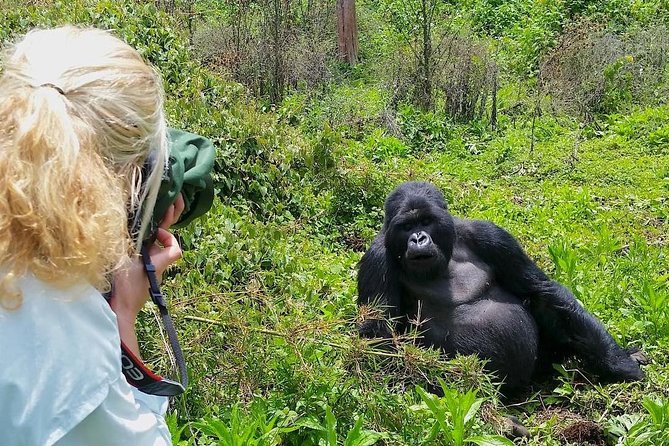
A Uganda gorilla trek safari is one of Africa’s most extraordinary wildlife experiences, offering travelers the unique opportunity to encounter endangered mountain gorillas in their natural habitat. Known as the “Pearl of Africa,” Uganda is home to more than half of the world’s remaining mountain gorilla population. Combined with spectacular landscapes, diverse wildlife, and vibrant cultural heritage, a gorilla trekking safari in Uganda provides an unforgettable journey for nature lovers, photographers, and adventure enthusiasts.
The highlight of any Uganda gorilla trek safari is a visit to Bwindi Impenetrable National Park, a UNESCO World Heritage Site famous for its dense tropical rainforest and exceptional biodiversity. The park is home to numerous habituated mountain gorilla families that visitors can track through guided trekking expeditions. Another outstanding destination is Mgahinga Gorilla National Park, located in the scenic Virunga Mountains. This park offers equally rewarding gorilla trekking experiences surrounded by volcanic peaks, bamboo forests, and breathtaking mountain scenery.
A gorilla trekking adventure begins with an early morning briefing by experienced Uganda Wildlife Authority rangers. Visitors are grouped into small trekking parties and assigned a specific gorilla family based on trekking difficulty and fitness levels. Guided by expert trackers, participants hike through lush forests, steep hills, and rugged terrain while following signs of gorilla activity. Depending on the gorillas’ location, the trek can last anywhere from one to six hours, making every expedition a unique and exciting adventure.
The reward comes when trekkers finally encounter a gorilla family in the wild. Visitors are allowed to spend one unforgettable hour observing these magnificent primates as they feed, groom, play, and interact with one another. Watching a dominant silverback protect his family or young gorillas playfully climbing trees is both emotional and inspiring. This rare wildlife encounter creates a deep appreciation for one of the world’s most endangered species and the importance of protecting its fragile habitat.
Many travelers combine gorilla trekking with a classic Ugandan wildlife safari. Queen Elizabeth National Park offers opportunities to spot the famous tree-climbing lions, elephants, buffaloes, hippos, crocodiles, and countless antelope species. Kibale National Park is renowned for chimpanzee trekking, while Murchison Falls National Park showcases spectacular waterfalls alongside giraffes, lions, leopards, and abundant birdlife. These combined safari experiences make Uganda one of Africa’s most diverse wildlife destinations.
A 3 Days Rwanda Gorilla Safari offers an unforgettable opportunity to explore Rwanda’s beautiful landscapes and encounter mountain gorillas in their natural habitat. The journey typically includes a visit to Volcanoes National Park, where travelers can enjoy a guided gorilla trekking experience through lush forests and scenic mountain trails. Along the way, visitors may observe gorillas interacting, feeding, and caring for their young. Beyond gorilla trekking, the safari can include cultural experiences, local community visits, and relaxing moments surrounded by Rwanda’s peaceful scenery. With knowledgeable guides, comfortable accommodation, and well-planned transportation, this short safari provides an exciting combination of wildlife, nature, adventure, and cultural discovery.
Conservation plays a vital role in the success of Uganda’s gorilla tourism. Revenue generated through gorilla trekking permits supports habitat protection, anti-poaching initiatives, scientific research, and local community development. Strict visitor regulations, including limited daily permits, safe viewing distances, and health protocols, help ensure the long-term survival of mountain gorillas while minimizing human impact on their environment.
Beyond wildlife, Uganda offers rich cultural experiences. Visitors can explore local villages, enjoy traditional music and dance performances, and learn about the customs of the Batwa people, one of the region’s oldest indigenous communities. These authentic cultural encounters enrich the safari experience and highlight the close relationship between local communities and wildlife conservation.