
Personal growth is one of the most rewarding journeys a person can undertake. It involves developing new skills, improving habits, expanding knowledge, and becoming a better version of yourself over time. Unlike quick-fix solutions, growth is a continuous process that requires commitment, self-awareness, and consistent effort.
In today’s fast-paced world, many people focus heavily on external achievements such as career advancement, financial success, or social recognition. While these goals are important, true fulfillment often comes from internal development. When individuals invest in personal growth, they strengthen their confidence, improve relationships, increase resilience, and create a stronger foundation for long-term success.
The beauty of self-improvement lies in its flexibility. Every person has unique goals, strengths, and challenges. Whether you want to enhance your communication skills, improve your health, develop leadership qualities, or simply become more disciplined, the journey starts with a decision to grow. This article explores the importance of self-development, practical strategies for improvement, and actionable steps that can help you transform your life one day at a time.
Understanding Personal Growth
At its core, personal growth refers to the process of improving various aspects of your life, including emotional intelligence, mental strength, physical well-being, social skills, and professional capabilities. It is about becoming more aware of your potential and actively working to maximize it.
Growth does not happen overnight. It is the result of small, consistent actions repeated over time. Reading books, learning new skills, setting goals, practicing mindfulness, and stepping outside your comfort zone are all examples of activities that contribute to personal development.
One important aspect of growth is self-awareness. Understanding your strengths and weaknesses allows you to identify areas that need improvement. Self-awareness also helps you make better decisions and respond more effectively to challenges.
Another key element is adaptability. The world is constantly changing, and individuals who embrace learning and flexibility are often more successful. By focusing on continuous improvement, people can navigate uncertainty with confidence and maintain a positive outlook even during difficult times.
Ultimately, personal growth is not about perfection. Instead, it is about progress, learning from experiences, and becoming better than you were yesterday.
Why Personal Growth Matters
Many people underestimate the impact that self-improvement can have on their lives. However, personal development affects nearly every area of daily living, from career success to emotional well-being.
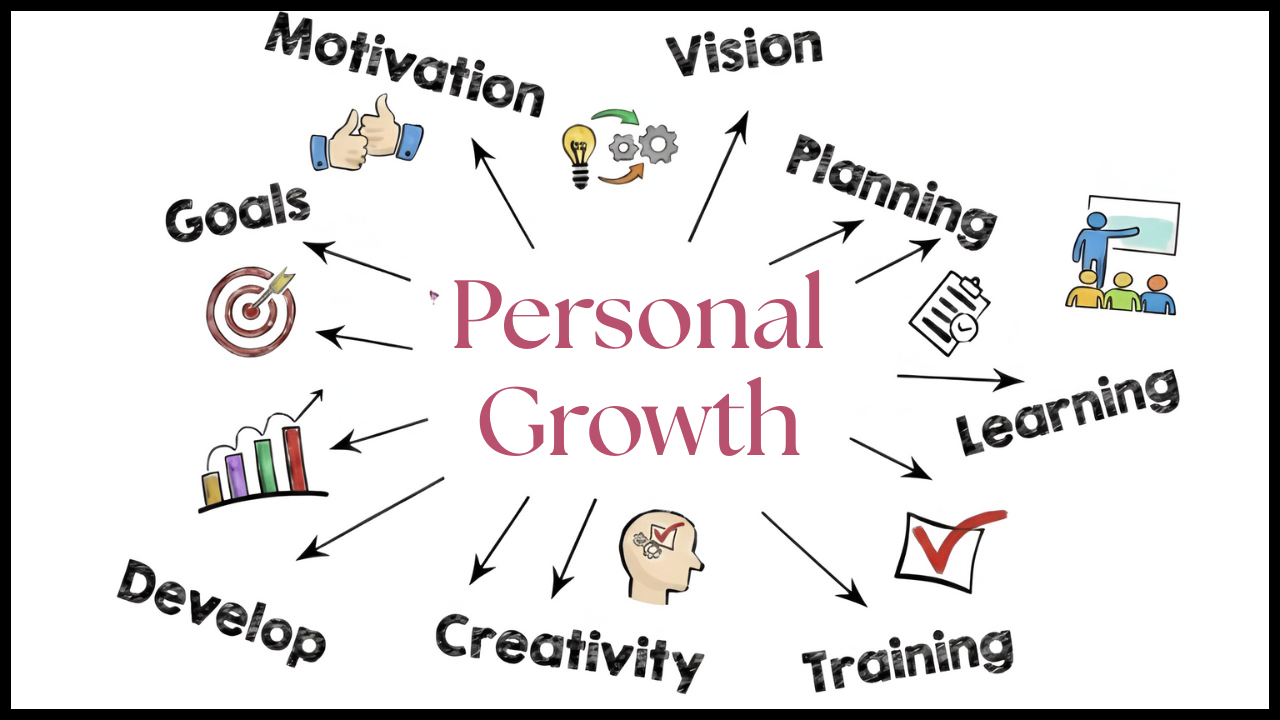
When individuals actively pursue growth, they often experience increased confidence. Achieving small goals creates a sense of accomplishment that builds self-esteem over time. This confidence can positively influence work performance, relationships, and decision-making abilities.
Personal development also strengthens resilience. Life inevitably presents challenges, setbacks, and disappointments. People who invest in self-improvement are better equipped to handle adversity because they develop problem-solving skills and emotional control.
Furthermore, growth promotes lifelong learning. The willingness to learn keeps the mind active, encourages creativity, and opens doors to new opportunities. In a rapidly evolving world, continuous learning has become a critical factor for professional and personal success.
Perhaps most importantly, personal growth contributes to greater life satisfaction. Individuals who actively work toward meaningful goals often experience a stronger sense of purpose and fulfillment. Rather than feeling stuck or stagnant, they continue moving forward with motivation and optimism.
Key Areas of Personal Growth
Mental Development
Mental development involves expanding knowledge, improving critical thinking, and strengthening cognitive abilities. Reading books, taking courses, learning new languages, and engaging in thoughtful discussions can stimulate intellectual growth.
Developing a growth mindset is particularly important. Individuals with a growth mindset believe that abilities can be improved through effort and learning. This perspective encourages persistence, adaptability, and continuous improvement.
Mental development also includes improving focus and concentration. In an age filled with distractions, the ability to stay focused on important tasks is a valuable skill that can significantly enhance productivity and effectiveness.
Emotional Growth
Emotional growth focuses on understanding and managing emotions effectively. Emotional intelligence plays a major role in building strong relationships and making sound decisions.
People who develop emotional intelligence are better able to recognize their feelings, empathize with others, and communicate effectively. These skills improve personal relationships, workplace interactions, and overall well-being.
Practicing gratitude, mindfulness, and self-reflection can contribute significantly to emotional growth. These habits encourage greater self-awareness and help individuals maintain a balanced perspective during challenging situations.
Physical Growth
Physical well-being is closely connected to overall self-improvement. Healthy habits such as regular exercise, balanced nutrition, and adequate sleep provide the energy needed to pursue goals effectively.
Physical health affects mental clarity, emotional stability, and productivity. Even simple activities like walking, stretching, or maintaining a consistent sleep schedule can have a profound impact on daily performance.
Investing in physical health should not be viewed as a separate goal but rather as an essential component of personal growth and long-term success.
Benefits of Personal Growth
The advantages of continuous self-improvement extend far beyond individual achievements. Below are some of the most significant benefits:
- Increased self-confidence
- Improved communication skills
- Better decision-making abilities
- Greater emotional resilience
- Enhanced productivity and focus
- Stronger relationships
- Higher motivation levels
- Increased adaptability to change
- Greater career opportunities
- Improved overall life satisfaction
These benefits often compound over time. Small improvements made consistently can lead to significant transformations in both personal and professional life.

Personal Growth Activities and Their Impact
| Activity | Primary Benefit | Long-Term Impact |
|---|---|---|
| Reading Books | Knowledge Expansion | Better Decision-Making |
| Journaling | Self-Awareness | Emotional Clarity |
| Exercise | Physical Health | Increased Energy |
| Meditation | Stress Reduction | Improved Focus |
| Goal Setting | Direction and Motivation | Greater Achievement |
| Skill Development | Career Advancement | Higher Opportunities |
| Networking | Relationship Building | Expanded Influence |
| Volunteering | Empathy Development | Personal Fulfillment |
This table highlights how simple activities can contribute significantly to long-term development and success.
How to Start Your Personal Growth Journey
Beginning a self-improvement journey may seem overwhelming, but the process becomes manageable when broken into small steps. The first step is identifying areas where improvement is desired. This could involve health, relationships, career, finances, or emotional well-being.
Next, establish clear and realistic goals. Vague goals often lead to confusion and lack of progress. Instead of saying, “I want to improve,” define specific objectives such as reading one book per month, exercising three times a week, or learning a new skill.
Creating a structured plan is equally important. Successful growth requires consistency. Schedule dedicated time for learning, reflection, and skill development. Small daily actions often produce greater results than occasional bursts of intense effort.
Tracking progress can also enhance motivation. Journals, apps, or simple checklists provide a visual representation of improvement and help maintain accountability. Celebrating small victories along the way reinforces positive habits and encourages continued effort.
Remember that setbacks are a natural part of the journey. Rather than viewing mistakes as failures, treat them as valuable learning experiences that contribute to long-term growth.
Overcoming Common Obstacles
Fear of Failure
Many individuals avoid pursuing new opportunities because they fear making mistakes. However, failure is often one of the most effective teachers. Every setback provides valuable insights that can lead to future success.
Lack of Motivation
Motivation naturally fluctuates over time. Relying solely on motivation can make progress inconsistent. Developing discipline and creating routines can help maintain momentum even when enthusiasm decreases.
Negative Self-Talk
Internal criticism can significantly hinder progress. Replacing negative thoughts with constructive self-talk encourages confidence and perseverance. Positive thinking does not mean ignoring challenges but rather approaching them with a solution-focused mindset.
Comfort Zone Limitations
Growth rarely occurs within comfort zones. Challenging yourself to try new experiences, learn new skills, and embrace uncertainty can accelerate development and reveal hidden potential.
The Role of Habits in Personal Growth
Habits are the foundation of long-term success. While goals provide direction, habits determine daily actions. Positive habits create systems that support consistent improvement over time.
Developing effective habits begins with small, manageable actions. Attempting drastic changes often leads to burnout and frustration. Instead, focus on gradual improvements that can be sustained long term.
Examples of beneficial habits include:
- Reading for 20 minutes daily
- Practicing gratitude each morning
- Exercising regularly
- Planning daily priorities
- Limiting unnecessary distractions
- Reviewing goals weekly
As these habits become automatic, they require less effort and contribute significantly to overall development. Consistency is far more important than perfection when building lasting habits.
Creating a Personal Growth Mindset
A growth-oriented mindset is essential for continuous improvement. Individuals with this mindset view challenges as opportunities rather than obstacles. They understand that skills and abilities can be developed through effort, learning, and persistence.
To cultivate a growth mindset, focus on learning rather than proving yourself. Embrace constructive feedback, remain curious, and celebrate progress rather than perfection. Surrounding yourself with positive influences can also reinforce a growth-focused perspective.
Self-reflection plays an important role in maintaining this mindset. Regularly evaluate your actions, achievements, and lessons learned. Reflection helps identify patterns, reinforce strengths, and uncover areas for improvement.
Maintaining a growth mindset requires patience. Significant changes rarely happen immediately, but consistent effort eventually leads to remarkable transformation.
Long-Term Strategies for Sustainable Growth
Sustainable personal growth requires a long-term perspective. Quick fixes and temporary motivation often produce short-lived results. Lasting improvement comes from ongoing commitment and adaptability.
Investing in lifelong learning is one of the most effective strategies. Continuously seeking knowledge and developing new skills keeps you competitive, adaptable, and engaged. Building strong relationships with mentors and supportive individuals can also accelerate growth by providing guidance and encouragement.
Another valuable strategy is maintaining balance. Growth should enhance life rather than create unnecessary stress. Prioritize physical health, emotional well-being, relationships, and professional development equally.
Regularly reviewing goals ensures that efforts remain aligned with evolving priorities. As circumstances change, goals may need adjustment. Flexibility allows you to remain focused while adapting to new opportunities and challenges.
Ultimately, sustainable growth is about creating a lifestyle centered on learning, improvement, and purposeful action.
Conclusion
Personal growth is a lifelong journey that empowers individuals to reach their full potential. By focusing on self-awareness, continuous learning, healthy habits, and emotional resilience, anyone can create meaningful and lasting improvements in their life. The path to growth is not always easy, but the rewards are substantial. Increased confidence, stronger relationships, better health, and greater fulfillment are just a few of the benefits that come from consistent self-development.
Read more: Best Books for Personal Growth: A Complete Guide to Self-Improvement