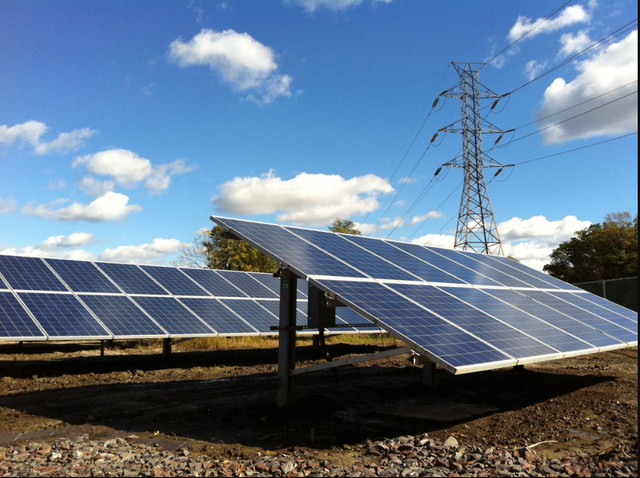
India has emerged as one of the fastest-growing solar energy markets in the world. Rising electricity costs, increasing environmental awareness, and government support have encouraged homeowners and businesses to invest in solar power systems. Choosing the best solar panels in India can significantly reduce electricity bills while providing a sustainable source of energy for decades.
Solar technology has advanced rapidly over the years, making solar panels more efficient, durable, and affordable than ever before. Whether you are planning to install a rooftop system for your home or a large-scale commercial setup, understanding different solar panel types and their features is essential.
The Indian market offers numerous solar panel brands and technologies, which can make the selection process overwhelming. Factors such as efficiency, warranty, durability, installation quality, and budget all play a crucial role in determining the right solar solution. This guide covers everything you need to know about selecting the ideal solar panels, understanding their benefits, and maximizing your investment in renewable energy.
Why Solar Energy Is Growing Rapidly in India
India receives abundant sunlight throughout the year, making it an ideal location for solar energy generation. Most regions receive between 4 and 7 kWh of solar radiation per square meter daily, providing excellent conditions for solar power systems.
The increasing demand for electricity and rising energy prices have pushed consumers to seek alternative solutions. Solar energy offers a practical way to reduce dependency on traditional power sources. Additionally, advancements in solar technology have lowered installation costs and improved overall system performance.
Government initiatives have also played a major role in promoting solar adoption. Various incentives, subsidies, and net-metering programs encourage households and businesses to invest in renewable energy systems. These programs make the initial investment more affordable and improve the long-term return on investment.
As awareness about environmental sustainability grows, more people are choosing solar power to reduce their carbon footprint. This shift has created a competitive market where manufacturers continuously improve quality and efficiency, making it easier to find the best solar panels in India for different energy requirements.
Understanding Solar Panel Technology
Solar panels convert sunlight into electricity using photovoltaic cells. These cells absorb solar radiation and generate direct current electricity, which is then converted into usable alternating current through an inverter.
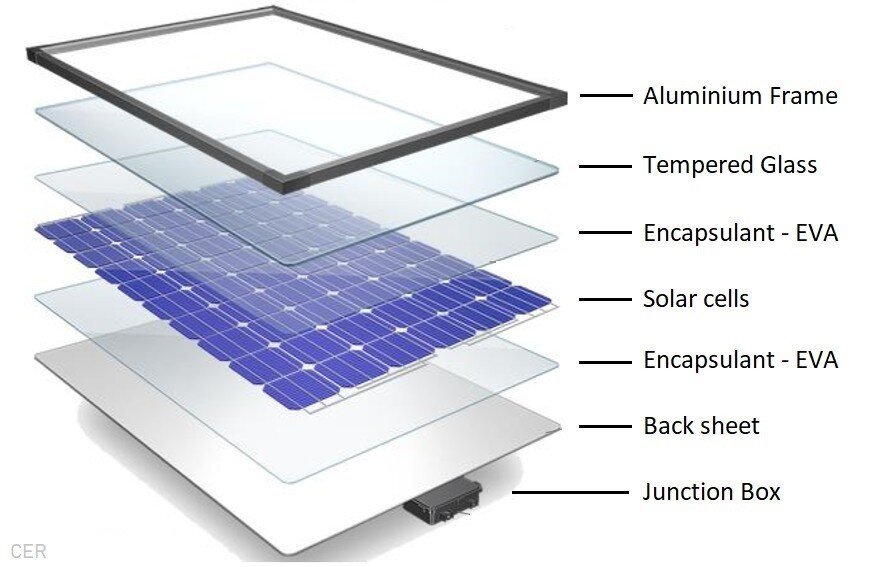
Modern solar panels are designed to operate efficiently under varying weather conditions. Even on cloudy days, panels can generate electricity, although at a reduced capacity. The performance of a solar panel depends on factors such as cell technology, panel design, temperature resistance, and installation angle.
Solar panels are typically rated based on wattage and efficiency. Higher-efficiency panels generate more electricity from the same amount of sunlight, making them ideal for rooftops with limited space.
When evaluating the best solar panels in India, it is important to understand the underlying technology and how it affects performance. Advanced manufacturing techniques have significantly improved panel efficiency, allowing homeowners to maximize power generation while minimizing roof space requirements.
Types of Solar Panels Available in India
Monocrystalline Solar Panels
Monocrystalline panels are made from a single crystal structure, offering high efficiency and excellent performance. They are often recognized by their black appearance and sleek design.
Key advantages include:
- High energy efficiency
- Better performance in low-light conditions
- Longer lifespan
- Space-saving installation
These panels are ideal for residential rooftops where maximizing energy output is a priority.
Polycrystalline Solar Panels
Polycrystalline panels are manufactured using multiple silicon crystals. They are generally more affordable than monocrystalline panels while still delivering reliable performance.
Benefits include:
- Lower initial cost
- Durable construction
- Suitable for large installations
- Good overall efficiency
They remain a popular choice for budget-conscious consumers.
Thin-Film Solar Panels
Thin-film panels use specialized photovoltaic materials deposited on a substrate. They are lightweight and flexible but generally offer lower efficiency compared to crystalline panels.
These panels are often used for specific commercial or industrial applications where flexibility and lightweight construction are important.
Factors to Consider When Choosing Solar Panels
Selecting the right solar panel involves more than simply comparing prices. Several factors influence overall system performance and long-term value.
Efficiency Rating
Efficiency measures how effectively a solar panel converts sunlight into electricity. Higher-efficiency panels produce more power from limited roof space.
Warranty Coverage
A quality solar panel should come with both product and performance warranties. Longer warranties often indicate confidence in product durability.
Durability and Build Quality
Solar panels must withstand harsh environmental conditions including rain, wind, dust, and extreme temperatures. High-quality construction ensures reliable operation for decades.
Temperature Coefficient
Panels lose efficiency as temperatures increase. A lower temperature coefficient means better performance during hot Indian summers.
Cost and Return on Investment
While premium panels may cost more initially, they often provide better long-term savings through increased energy production and durability.
Understanding these factors helps consumers identify the best solar panels in India based on their unique energy needs and budget.
Top Solar Panel Brands in India
The Indian solar market features several reputable manufacturers known for quality and performance. These brands offer a wide range of products for residential, commercial, and industrial applications.
| Brand Category | Key Strengths | Suitable For |
|---|---|---|
| Premium Solar Brands | High efficiency and advanced technology | Residential rooftops |
| Value-Focused Brands | Affordable pricing and reliability | Budget-conscious homeowners |
| Commercial Solar Brands | Large-scale energy production | Businesses and industries |
| High-Durability Brands | Strong weather resistance | Harsh environmental conditions |
| Innovative Solar Brands | Latest technology and smart features | Modern installations |
When comparing manufacturers, consumers should evaluate product certifications, warranty terms, customer reviews, and service support.
Benefits of Installing Solar Panels
Investing in solar energy offers numerous advantages beyond reducing electricity bills.
Lower Energy Costs
Solar panels generate free electricity from sunlight, reducing dependence on utility providers and lowering monthly energy expenses.
Environmental Benefits
Solar energy is clean and renewable, producing no greenhouse gas emissions during operation. It helps reduce environmental impact and supports sustainable development.
Energy Independence
Generating your own electricity provides greater control over energy consumption and protection from rising utility rates.
Increased Property Value
Homes equipped with solar systems often attract buyers seeking lower energy costs and eco-friendly features.
Long-Term Savings
Although installation requires an initial investment, solar systems can provide substantial savings over their lifespan, often exceeding 25 years.
These advantages explain why many consumers actively search for the best solar panels in India before making an investment decision.
Residential Solar Panel Installation Guide
Installing solar panels at home requires careful planning and professional assessment. The process typically begins with an evaluation of roof space, sunlight availability, and energy consumption patterns.

A properly designed system matches electricity generation with household demand. Professional installers calculate system size based on historical energy usage and future requirements.
The installation process generally includes:
- Site inspection
- System design
- Equipment selection
- Mounting structure installation
- Solar panel placement
- Inverter installation
- Electrical connections
- Testing and commissioning
Proper installation is essential for maximizing performance and ensuring long-term reliability. Even the best solar panels in India cannot achieve optimal results without quality installation practices.
Maintenance and Care Tips
Solar panels require relatively little maintenance, making them a convenient energy solution. However, routine care helps maintain efficiency and prolong system lifespan.
Regular cleaning removes dust, dirt, bird droppings, and other debris that can reduce sunlight absorption. In many regions, rainfall naturally assists with cleaning, but periodic inspections are still recommended.
Maintenance best practices include:
- Inspect panels for visible damage
- Clean surfaces when dirt accumulation becomes noticeable
- Monitor energy production regularly
- Check wiring and electrical connections
- Schedule professional inspections annually
Most solar systems operate efficiently for decades with minimal intervention. Preventive maintenance helps identify potential issues before they affect energy production.
Cost of Solar Panels in India
The cost of solar installation varies depending on system size, panel technology, brand, and installation complexity. Residential systems typically represent the largest segment of the market.
Several factors influence pricing:
System Capacity
Larger systems generate more electricity but require greater initial investment.
Panel Technology
Monocrystalline panels generally cost more than polycrystalline alternatives due to their higher efficiency.
Installation Requirements
Roof type, accessibility, and structural modifications can impact installation expenses.
Additional Equipment
Inverters, mounting structures, batteries, and monitoring systems contribute to total project cost.
While upfront costs may seem significant, the long-term savings often justify the investment. Many homeowners recover their investment within several years through reduced electricity bills.
Future of Solar Energy in India
India’s solar sector continues to evolve rapidly as technological advancements improve efficiency and affordability. Innovations such as bifacial panels, smart monitoring systems, and advanced energy storage solutions are shaping the future of renewable energy.
Growing demand for clean energy is expected to drive further investment in solar infrastructure. Manufacturing improvements are reducing production costs while increasing performance levels. As a result, consumers can expect even more efficient and cost-effective solar solutions in the coming years.
Government initiatives supporting renewable energy expansion will likely continue encouraging adoption across residential, commercial, and industrial sectors. These developments strengthen India’s position as a global leader in solar energy growth.
For consumers considering solar power today, the future looks increasingly promising. Investing in the best solar panels in India provides immediate benefits while aligning with long-term sustainability goals.
Conclusion
Solar energy has become one of the most practical and cost-effective solutions for meeting India’s growing electricity demands. With abundant sunlight, improving technology, and strong market competition, consumers now have access to highly efficient and durable solar solutions.
Read more: India Football News: A New Era for Indian Football