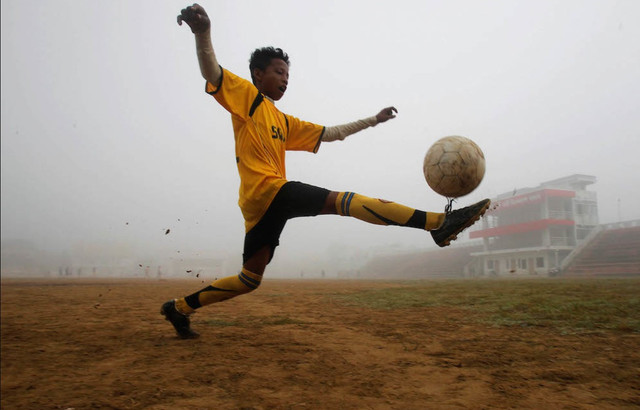
Football has steadily grown in popularity across India, transforming from a regional passion into a sport followed by millions nationwide. In recent years, India football news has captured increasing attention as fans, clubs, and governing bodies work together to elevate the game to new heights. From the performance of the national team to the expansion of domestic leagues and the emergence of talented young players, Indian football continues to evolve.
The growing interest in football reflects broader changes in the country’s sporting culture. While cricket remains dominant, football has established a significant presence through professional leagues, grassroots programs, and international participation. Supporters now closely follow club transfers, league standings, coaching developments, and youth academy successes.
The rise of digital platforms has further expanded football’s reach, enabling fans to stay connected with their favorite teams and players. As infrastructure improves and investment increases, the future appears promising. This article explores the latest developments, major trends, challenges, and opportunities shaping Indian football today.
The Current State of Indian Football
Indian football has experienced substantial progress over the past decade. Improved league structures, better coaching standards, and enhanced player development systems have contributed to this advancement. The national football ecosystem now includes professional leagues, youth competitions, and grassroots initiatives designed to identify and nurture talent.
The country’s football authorities have focused on strengthening competitive structures while encouraging greater participation among young athletes. Many states have introduced football programs in schools and communities, creating a broader talent pool for future generations.
Domestic clubs have also become more professional in their operations. Investments in training facilities, sports science, and player welfare have improved overall performance standards. These developments have resulted in increased fan engagement and media coverage.
As India continues to build its football culture, stakeholders remain committed to long-term growth rather than short-term success. This strategic approach is gradually helping Indian football gain recognition both regionally and internationally.
The National Team’s Recent Journey
One of the most discussed topics in India football news revolves around the performance of the national team. Fans closely monitor international fixtures, qualification campaigns, and tournament appearances, hoping to see India achieve greater success on the global stage.
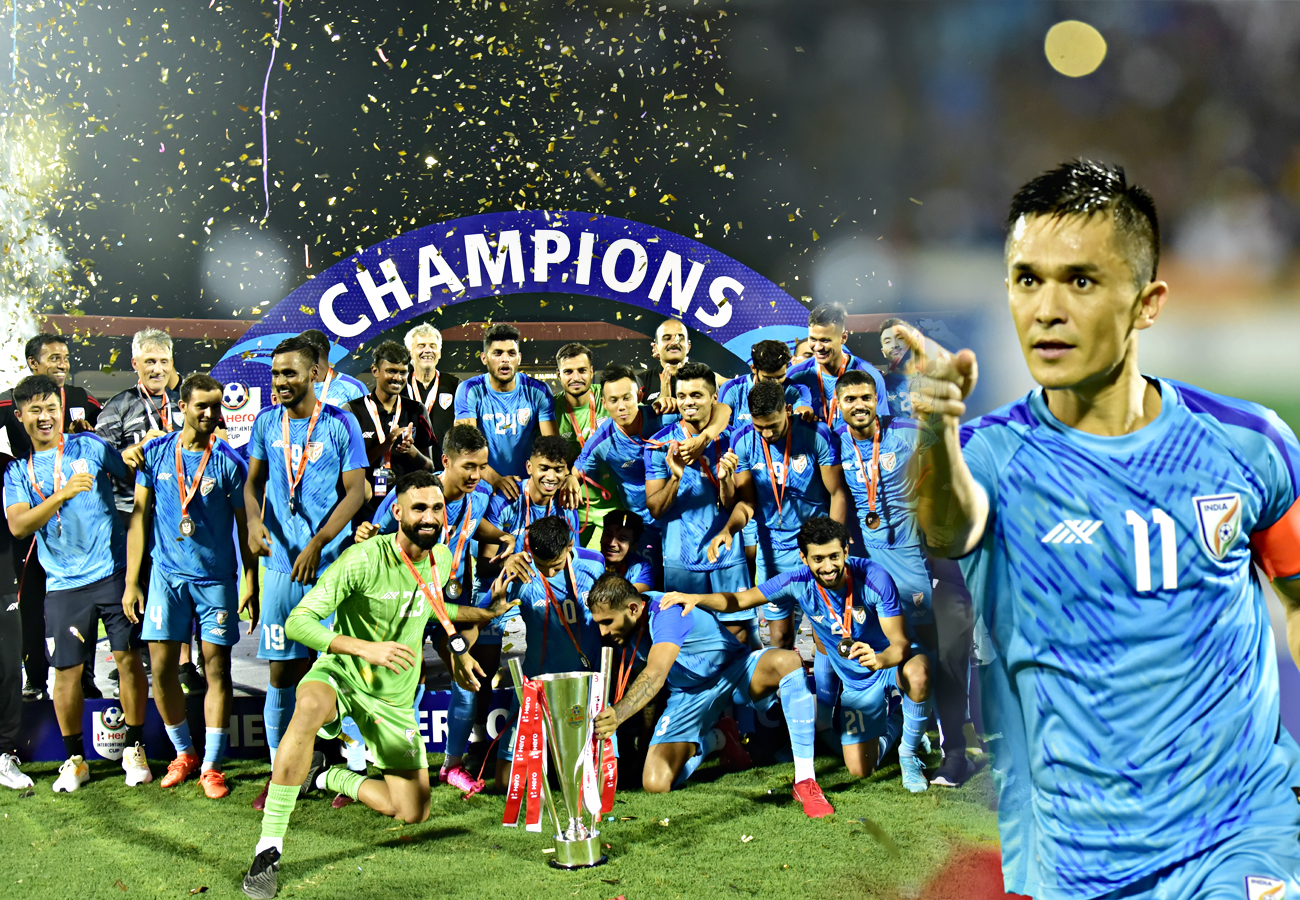
The national team has shown moments of promise through competitive performances against strong opponents. Tactical improvements, disciplined defending, and emerging young players have contributed to a more balanced squad. Coaches have emphasized fitness, technical development, and teamwork to improve results.
International exposure has become increasingly important. Friendly matches against higher-ranked teams provide valuable experience and help players adapt to different styles of play. These encounters also reveal areas requiring further improvement.
Despite challenges, the team’s progress demonstrates that Indian football is moving in the right direction. Consistency remains a key objective, and supporters continue to believe that sustained investment and development will eventually translate into stronger international performances.
The Impact of Domestic Football Leagues
Domestic football leagues play a crucial role in developing talent and increasing the sport’s popularity. Professional competitions provide players with regular opportunities to compete at a high level while attracting fans, sponsors, and media attention.
The league structure has become more organized and competitive over the years. Clubs are investing in experienced coaches, scouting networks, and youth development programs. This professional environment benefits both domestic and international players.
Key contributions of domestic leagues include:
- Increased match exposure for young players
- Improved coaching and tactical awareness
- Greater fan engagement across cities
- Enhanced commercial opportunities
- Better training facilities and infrastructure
These leagues also help identify future national team players. Many athletes who excel at the club level eventually earn opportunities to represent the country internationally. The continued growth of domestic competitions remains essential for the overall advancement of Indian football.
Rising Young Talents in Indian Football
Youth development has become one of the most encouraging aspects of modern Indian football. Clubs, academies, and football organizations are investing heavily in identifying talented players at an early age and providing structured pathways for growth.
Young footballers now benefit from better coaching methodologies, advanced training facilities, and exposure to competitive tournaments. These opportunities enable them to develop technical skills, tactical understanding, and physical fitness from a young age.
Characteristics of Successful Young Players
| Attribute | Importance |
|---|---|
| Technical Skills | Improves ball control and passing |
| Tactical Awareness | Enhances decision-making |
| Physical Fitness | Supports high-performance levels |
| Mental Strength | Builds resilience under pressure |
| Discipline | Encourages consistent improvement |
The emergence of talented youth players continues to generate optimism throughout the football community. Many experts believe that investing in grassroots programs today will produce stronger national teams in the future.
Women’s Football Continues to Grow
Women’s football has gained significant momentum in India over recent years. Increased participation, better visibility, and growing institutional support have created new opportunities for female athletes.

Development programs now encourage girls to pursue football from a young age. Schools, academies, and regional associations are actively promoting the sport through tournaments and training initiatives. These efforts have expanded the talent pool and increased competitiveness.
Media coverage has also improved, allowing more fans to follow women’s football. Greater exposure helps attract sponsorships, investment, and public interest. As a result, more players are receiving professional opportunities and recognition.
The growth of women’s football represents an important step toward creating a more inclusive sporting environment. Continued support from stakeholders will be critical to maintaining this positive momentum and ensuring long-term success.
Infrastructure Development and Modern Facilities
Infrastructure remains a fundamental component of football development. Quality stadiums, training centers, and youth academies provide the foundation necessary for sustained progress.
Across India, several football organizations have invested in modern facilities designed to improve player performance and fan experiences. Upgraded training grounds allow athletes to develop in professional environments, while improved stadiums enhance matchday atmospheres.
Important infrastructure priorities include:
- High-quality playing surfaces
- Modern training equipment
- Sports science facilities
- Medical and rehabilitation centers
- Youth academy development
Although progress has been made, further investment is required to meet international standards consistently. Expanding access to quality facilities across different regions will help ensure that talented players receive equal opportunities regardless of their location.
Challenges Facing Indian Football
Despite positive developments, Indian football still faces several challenges that must be addressed to achieve long-term success. Understanding these obstacles is essential for developing effective solutions.
One major challenge involves competition from other sports. Football continues to grow, but attracting broader audiences and sponsorships remains difficult in a highly competitive sporting landscape.
Grassroots development also requires greater consistency across states and regions. While some areas have strong football cultures, others need additional resources and support. Ensuring equal access to coaching and facilities remains a priority.
Financial sustainability presents another concern. Clubs must balance investment in player development with maintaining stable business operations. Long-term planning and effective management are crucial for sustainable growth.
Addressing these challenges will require collaboration among football authorities, clubs, sponsors, educational institutions, and supporters.
Technology and Innovation in Football
Technology has become increasingly important in modern football. Data analysis, performance tracking, and sports science tools help teams make informed decisions and optimize player development.
Coaches use advanced analytics to evaluate player performance, identify strengths and weaknesses, and develop tactical strategies. Fitness monitoring systems allow training programs to be customized according to individual needs.
Video analysis has also transformed coaching methods. Players can review matches, study opponents, and improve decision-making through detailed performance assessments.
The integration of technology reflects broader changes within the football industry. As Indian clubs and organizations adopt these innovations, they gain valuable tools for improving competitiveness and achieving better results.
What the Future Holds for Indian Football
The future of Indian football appears increasingly promising. Continued investment, stronger development systems, and growing fan support are creating favorable conditions for long-term progress.
Experts believe that future success will depend on several key factors:
Key Areas for Future Growth
Youth Development
Expanding grassroots programs and academy networks.
Coaching Standards
Providing advanced education and training opportunities.
Infrastructure Expansion
Building more high-quality facilities nationwide.
League Development
Increasing competitiveness and financial stability.
International Exposure
Creating more opportunities to compete against stronger opponents.
If these priorities remain central to development strategies, Indian football can continue progressing toward greater regional and international recognition.
Conclusion
The story of Indian football is one of determination, growth, and evolving ambition. From grassroots initiatives and youth academies to professional leagues and national team aspirations, the sport is steadily building a stronger foundation for future success. The increasing popularity of football among young people, combined with investments in infrastructure and player development, reflects a positive trajectory.
Read more: What Is Web Technology? A Complete Guide to Modern Web Systems