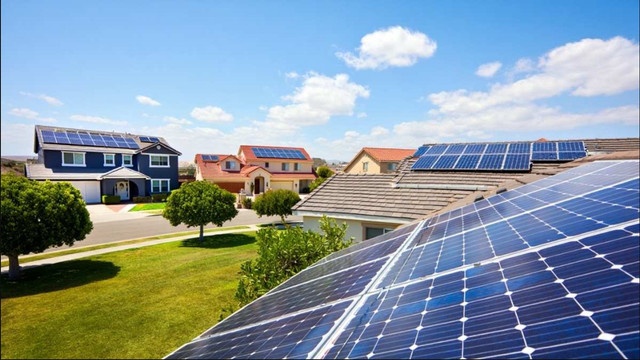
As energy costs continue to rise and environmental concerns become more important, homeowners are increasingly looking for sustainable solutions to power their households. One of the most effective options available today is installing solar panels for home use. Solar technology has evolved significantly over the past decade, making it more affordable, efficient, and accessible than ever before.
By harnessing energy from the sun, homeowners can reduce their reliance on traditional electricity sources while lowering monthly utility bills. In addition to financial savings, solar power contributes to a cleaner environment by reducing carbon emissions and dependence on fossil fuels. Whether you are building a new house or upgrading an existing property, solar energy can be a smart long-term investment.
This comprehensive guide explores everything you need to know about solar panels for home, including how they work, their benefits, installation considerations, maintenance requirements, and future trends in residential solar energy.
What Are Solar Panels for Home?
Solar panels are devices that convert sunlight into electricity through photovoltaic (PV) cells. These cells capture sunlight and generate direct current (DC) electricity, which is then converted into alternating current (AC) electricity through an inverter. AC electricity powers household appliances, lighting systems, and electronic devices.
The primary purpose of solar panels for home is to generate renewable energy directly from sunlight. Unlike conventional power sources that depend on coal, gas, or oil, solar energy is clean, renewable, and abundant.
Modern residential solar systems can be installed on rooftops, garages, carports, or even ground-mounted structures. Depending on the size of the system and household energy needs, homeowners can significantly reduce or even eliminate electricity bills.
As technology advances, solar panels are becoming more efficient and aesthetically pleasing, making them an attractive addition to modern homes.
How Solar Panels Work
Understanding how solar energy systems function helps homeowners make informed decisions about installation and usage.
)
The process begins when sunlight strikes the photovoltaic cells inside a solar panel. These cells contain semiconductor materials, typically silicon, which absorb sunlight and release electrons. The movement of these electrons generates electrical current.
A typical residential solar system includes:
- Solar panels
- Inverter
- Mounting structure
- Electrical wiring
- Monitoring system
- Battery storage (optional)
The inverter plays a critical role by converting DC electricity into usable AC electricity. Any excess electricity generated can either be stored in batteries or sent back to the electrical grid, depending on the system design.
The efficiency of solar panels depends on factors such as sunlight exposure, panel quality, orientation, and weather conditions. Even on cloudy days, modern solar systems can continue generating electricity, although at reduced levels.
Benefits of Installing Solar Panels for Home
Homeowners choose solar energy for numerous reasons beyond simply reducing electricity costs.
Lower Energy Bills
One of the most significant advantages is the reduction in monthly utility expenses. Once installed, solar panels generate electricity from free sunlight, decreasing dependence on grid power.
Environmental Benefits
Solar energy produces no greenhouse gas emissions during operation. By switching to solar power, households contribute to cleaner air and a healthier environment.
Energy Independence
Generating electricity at home reduces reliance on utility companies and fluctuating energy prices. This creates greater energy security over time.
Increased Property Value
Many homebuyers view solar installations as valuable upgrades. Homes equipped with solar systems often attract greater interest in the real estate market.
Low Maintenance Requirements
Solar systems require minimal maintenance, making them convenient for homeowners seeking a long-term energy solution.
These benefits make solar panels for home an appealing investment for families focused on sustainability and financial savings.
Types of Solar Panels
Selecting the right solar panel technology is essential for maximizing efficiency and return on investment.
Monocrystalline Solar Panels
Monocrystalline panels are known for their high efficiency and sleek appearance. They are manufactured from a single silicon crystal, allowing them to generate more electricity in limited space.
Advantages:
- Higher efficiency
- Longer lifespan
- Better performance in low-light conditions
Polycrystalline Solar Panels
Polycrystalline panels are made from multiple silicon fragments melted together. They are generally more affordable but slightly less efficient.
Advantages:
- Lower initial cost
- Reliable performance
- Widely available
Thin-Film Solar Panels
Thin-film panels use lightweight materials and flexible designs. While less efficient than crystalline panels, they can be suitable for specific applications.
Advantages:
- Lightweight
- Flexible installation options
- Lower manufacturing costs
Choosing the right type depends on available roof space, budget, and energy requirements.
Solar Panel Comparison Table
| Solar Panel Type | Efficiency | Cost | Lifespan | Best For |
|---|---|---|---|---|
| Monocrystalline | High | Higher | 25–30 Years | Maximum performance |
| Polycrystalline | Medium | Moderate | 20–25 Years | Budget-conscious homeowners |
| Thin-Film | Lower | Lower | 10–20 Years | Specialized applications |
This comparison can help homeowners determine which solar technology aligns best with their needs.
Factors to Consider Before Installation
Installing a solar system requires careful planning and evaluation.
Roof Condition
A strong and well-maintained roof is essential before installing solar panels. Older roofs may require repairs or replacement first.
Sunlight Availability
Homes receiving direct sunlight for most of the day generally achieve the best results from solar installations.
Energy Consumption
Reviewing electricity bills helps determine the appropriate system size. Larger households may require more solar capacity.
Budget
Solar systems vary significantly in cost depending on panel type, system size, and additional components such as batteries.
Local Regulations
Homeowners should understand building permits, utility requirements, and installation guidelines applicable in their area.
Evaluating these factors ensures a smooth installation process and optimal system performance.
The Installation Process
The installation of solar panels for home typically follows several key steps.
Site Assessment
Professionals inspect the property to evaluate roof condition, sunlight exposure, and energy requirements.
System Design
Engineers create a customized solar system based on household electricity consumption and available installation space.
Permitting and Approval
Necessary permits and approvals are obtained before installation begins.
Panel Installation
Solar panels are securely mounted on the roof or designated structure. Electrical wiring and inverters are then connected.
Testing and Activation
The system undergoes safety inspections and performance testing before being activated.
Most residential installations can be completed within a few days, although approval processes may take longer.
Battery Storage and Energy Backup
Battery systems have become increasingly popular among homeowners seeking greater energy independence.
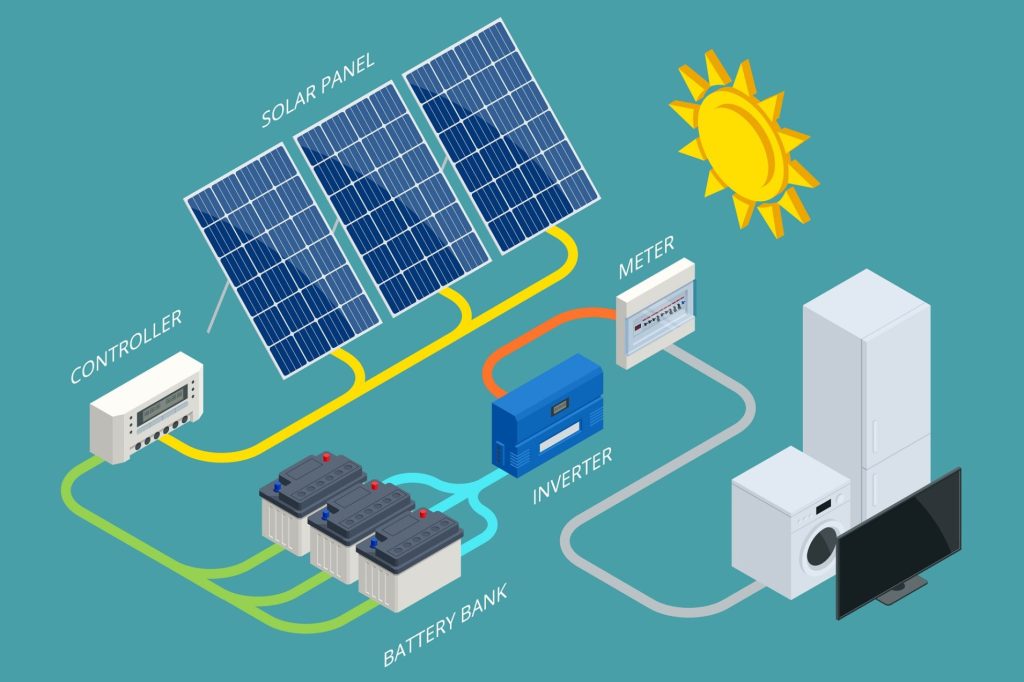
Solar batteries store excess electricity generated during sunny periods. This stored energy can then be used during nighttime hours, cloudy weather, or power outages.
Benefits of battery storage include:
- Increased self-consumption of solar energy
- Backup power during outages
- Reduced reliance on utility companies
- Better energy management
While batteries increase the initial investment, they can enhance the overall value and functionality of a solar energy system.
Maintenance and Care
One reason many homeowners choose solar energy is the low maintenance required.
To keep solar systems operating efficiently:
- Clean panels periodically to remove dust and debris.
- Inspect wiring and mounting equipment annually.
- Monitor system performance using digital tracking tools.
- Trim nearby trees that may create shading.
Most solar panels are designed to withstand harsh weather conditions, including rain, wind, and moderate hail. Manufacturers often provide warranties lasting 20 to 30 years.
Routine maintenance helps maximize electricity production and extends system lifespan.
Common Myths About Solar Panels
Myth 1: Solar Panels Only Work in Hot Climates
Solar panels generate electricity from sunlight, not heat. They can perform effectively in various climates, including cooler regions.
Myth 2: Solar Systems Require Constant Maintenance
Most systems require only occasional cleaning and inspections.
Myth 3: Solar Energy Is Too Expensive
Costs have declined significantly over recent years, making solar power more affordable for many homeowners.
Myth 4: Solar Panels Damage Roofs
When professionally installed, solar systems can actually help protect roofing materials from direct weather exposure.
Understanding these misconceptions helps homeowners make informed decisions about adopting solar energy.
Future Trends in Residential Solar Energy
The future of residential solar technology looks promising. Innovations continue to improve efficiency, affordability, and convenience.
Emerging developments include:
- Higher-efficiency photovoltaic cells
- Advanced battery storage systems
- Smart energy management platforms
- Solar roof tiles
- Improved recycling methods for solar materials
Artificial intelligence and smart-home integration are also transforming how homeowners monitor and optimize energy consumption. These advancements will make solar systems even more effective and accessible in the coming years.
As technology evolves, the value proposition of solar panels for home is expected to become even stronger.
Financial Benefits Over the Long Term
The financial advantages of solar energy extend beyond monthly electricity savings. Over time, homeowners can recover installation costs through reduced utility expenses and increased property value.
Additional long-term benefits include:
- Protection against rising energy prices
- Lower household operating costs
- Potential return on investment
- Enhanced home marketability
Because solar systems can last decades, many homeowners continue enjoying financial benefits long after the initial investment has been recovered.
Careful planning and proper system sizing maximize these economic advantages.
Conclusion
Investing in solar panels for home is one of the most effective ways to reduce energy costs, increase sustainability, and improve long-term financial stability. With advancements in solar technology, homeowners now have access to highly efficient systems that can provide reliable clean energy for decades.
Read moe: Best Solar Panels in India: A Complete Guide for Homeowners and Businesses