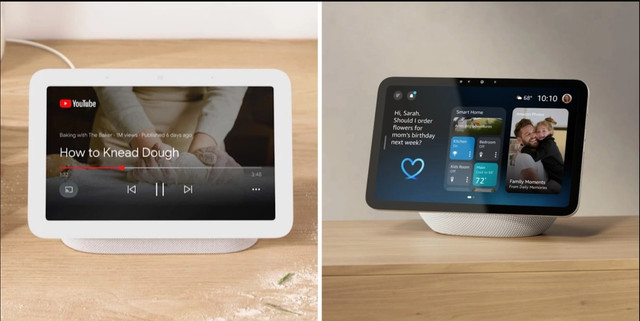
Smart homes have evolved from a futuristic concept into a practical reality for millions of homeowners worldwide. With smart lights, thermostats, security cameras, door locks, and entertainment systems becoming increasingly popular, managing all these devices efficiently has become essential. This is where the best smart home hubs play a crucial role.
A smart home hub acts as the central command center for all connected devices, allowing them to communicate seamlessly regardless of brand or protocol. Instead of controlling each gadget through separate apps, homeowners can manage everything through a single platform. This convenience not only saves time but also enhances automation, security, and energy efficiency.
As the smart home market continues to expand, choosing the right hub can be challenging. Different hubs offer varying compatibility, automation capabilities, and user experiences. Understanding the features and benefits of the best smart home hubs can help you make an informed decision and create a truly connected living environment.
Why Smart Home Hubs Matter
The rapid growth of smart devices has created a need for centralized control. Without a hub, homeowners often find themselves juggling multiple applications and systems. A smart home hub eliminates this complexity by serving as a bridge between devices.
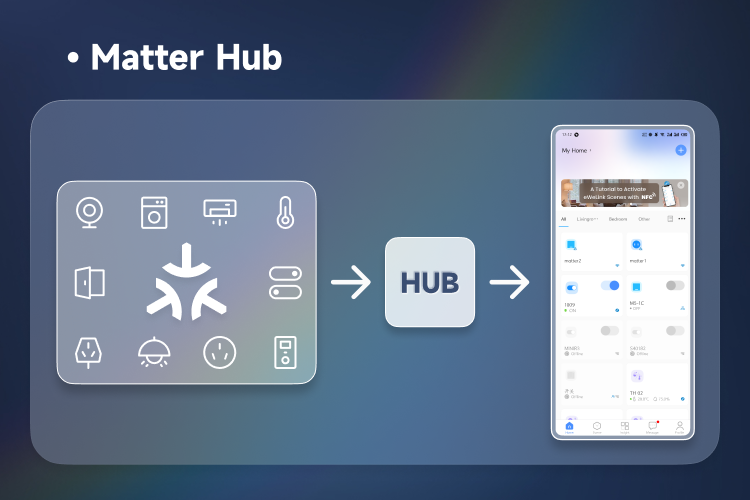
Modern homes may include smart lighting systems, security cameras, motion sensors, thermostats, speakers, and appliances. When these devices operate independently, automation opportunities become limited. A hub enables coordinated actions, such as turning off lights when doors are locked or adjusting the thermostat based on occupancy.
The best smart home hubs simplify device management while improving reliability. Instead of relying solely on cloud-based communication, many hubs support local processing, ensuring faster responses and greater privacy.
Key advantages include:
- Centralized device control
- Enhanced automation routines
- Improved security integration
- Better energy management
- Greater compatibility across brands
- Reduced app clutter
As smart technology becomes more sophisticated, hubs are increasingly becoming the foundation of an efficient connected home.
Understanding How Smart Home Hubs Work
A smart home hub functions as the communication center between devices and users. It connects various gadgets using wireless protocols such as Wi-Fi, Zigbee, Z-Wave, Bluetooth, or Matter.

When a user issues a command through a smartphone app or voice assistant, the hub interprets the instruction and sends it to the appropriate device. It can also receive data from sensors and trigger automated actions based on predefined rules.
For example, a motion sensor may detect movement at night. The hub can automatically activate pathway lighting and send a notification to the homeowner. Similarly, a smart thermostat can adjust temperatures based on occupancy sensors connected through the hub.
The best smart home hubs support multiple communication standards, making it easier to integrate products from different manufacturers. This flexibility is particularly valuable for homeowners who plan to expand their smart home ecosystem over time.
Key Features to Look for in a Smart Home Hub
Choosing a hub requires evaluating several important features. Not all hubs offer the same capabilities, and understanding your needs is essential.
Device Compatibility
Compatibility should be the top consideration. A good hub should support a wide range of devices from different brands and communication protocols.
Automation Capabilities
Advanced automation allows devices to work together intelligently. Look for hubs that support custom routines and conditional triggers.
Voice Assistant Integration
Most homeowners prefer voice control through popular assistants. Ensure your hub works seamlessly with your preferred voice platform.
Security Features
Security is critical in connected homes. Strong encryption, local processing, and secure authentication enhance overall protection.
Ease of Use
A user-friendly interface simplifies setup, device management, and automation creation.
Scalability
The ideal hub should support future expansion as additional smart devices are added to the home.
Comparison of Popular Smart Home Hub Features
| Feature | Basic Hub | Mid-Range Hub | Advanced Hub |
|---|---|---|---|
| Device Compatibility | Limited | Moderate | Extensive |
| Automation Options | Basic | Advanced | Highly Customizable |
| Voice Assistant Support | Yes | Yes | Yes |
| Local Processing | Minimal | Partial | Extensive |
| Security Features | Standard | Enhanced | Advanced |
| Multi-Protocol Support | Limited | Moderate | Comprehensive |
| Scalability | Low | Medium | High |
This comparison demonstrates why investing in one of the best smart home hubs can provide greater flexibility and long-term value.
Benefits of Using the Best Smart Home Hubs
The advantages of a quality hub extend beyond simple convenience. It transforms the entire smart home experience by creating a cohesive ecosystem.
One major benefit is automation efficiency. Instead of manually controlling devices, homeowners can establish routines that operate automatically. Lights can dim at bedtime, thermostats can adjust during working hours, and security systems can activate when everyone leaves.
Another benefit is energy conservation. Smart automation helps reduce unnecessary electricity usage by managing lighting, heating, cooling, and appliances intelligently.
Security also improves significantly. Integrated cameras, locks, motion detectors, and alarms can communicate through the hub to provide comprehensive monitoring and rapid alerts.
The best smart home hubs also enhance accessibility. Individuals with mobility challenges can control home functions through voice commands, mobile apps, or automated routines.
As smart homes become more common, a centralized hub provides the structure needed to maximize the benefits of connected technology.
Smart Home Protocols Explained
Understanding communication protocols helps homeowners select the right hub.
Wi-Fi
Wi-Fi is widely available and easy to use. Many smart devices connect directly to home networks without additional hardware.
Bluetooth
Bluetooth offers short-range communication and works well for simple smart devices.
Zigbee
Zigbee is popular for smart home automation due to its low power consumption and mesh networking capabilities.
Z-Wave
Z-Wave provides reliable communication with excellent device compatibility and minimal interference.
Matter
Matter is a newer standard designed to improve interoperability among smart home devices from different manufacturers.
The best smart home hubs often support multiple protocols simultaneously, ensuring broad compatibility and future-proof functionality.
How to Choose the Right Smart Home Hub
Selecting the ideal hub depends on your current devices and long-term goals. Begin by creating an inventory of existing smart products and identifying their communication standards.
Consider whether you prioritize simplicity or advanced customization. Some hubs focus on easy setup and straightforward control, while others cater to enthusiasts who enjoy building complex automation routines.
Budget also plays a role. While premium hubs may require a higher initial investment, they often provide better compatibility, performance, and expansion options.
Ask yourself these questions:
- Which devices do I currently own?
- Do I want advanced automation?
- Is local control important to me?
- Will I expand my smart home in the future?
- Which voice assistant do I prefer?
Answering these questions will help narrow your options and identify one of the best smart home hubs for your specific needs.
Common Mistakes When Buying a Smart Home Hub
Many homeowners purchase a hub without considering compatibility requirements. This can lead to frustration when devices fail to connect properly.
Another mistake is focusing solely on price. Low-cost hubs may lack important features such as multi-protocol support or advanced automation.
Ignoring future scalability is also common. Smart homes tend to grow over time, making expansion capabilities important.
Other mistakes include:
- Overlooking security features
- Choosing unsupported protocols
- Ignoring local processing capabilities
- Not researching software updates
- Failing to check voice assistant compatibility
Avoiding these pitfalls ensures a smoother smart home experience and maximizes the value of your investment.
The Future of Smart Home Hubs
The smart home industry continues to evolve rapidly. Artificial intelligence, machine learning, and improved interoperability standards are shaping the next generation of home automation.
Future hubs will likely become more proactive, learning homeowner preferences and making intelligent adjustments automatically. Enhanced energy management systems may optimize electricity usage based on utility pricing and weather forecasts.
The emergence of Matter is expected to simplify device compatibility, reducing fragmentation across manufacturers. This development will make the best smart home hubs even more powerful and user-friendly.
Edge computing and local processing will also become increasingly important, providing faster responses and improved privacy protections. As technology advances, smart home hubs will transition from simple controllers to intelligent home management platforms.
Conclusion
Smart home technology offers remarkable convenience, security, and efficiency, but managing multiple connected devices can become overwhelming without a central control system. The best smart home hubs solve this challenge by unifying devices, enabling automation, and simplifying everyday interactions.
Read more: Smart Home Installation Near Me: The Complete Guide to Modern Home Automation